What Should a Multi-Shift Floor Scrubber Handover Log Record?
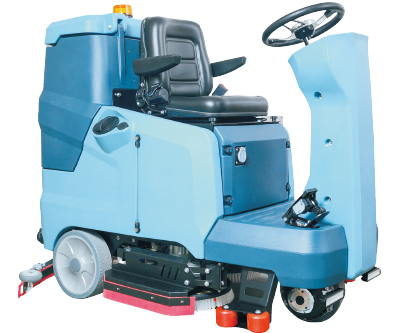
A floor scrubber can finish one shift looking ready while carrying a problem into the next: a partly charged battery, a damaged squeegee, debris in the recovery path, an unusual noise, a missing charger, or a section of floor that still needs attention. When several operators share the same machine, a verbal handover is rarely enough.
A useful handover log should let the incoming operator answer three questions before starting: Is the machine safe and available? Is it prepared for the planned route? What changed during the previous shift?
Use one authority record for each machine
Assign every scrubber a clear machine identifier and keep one current handover record for it. The record can be digital or paper, but operators should not have to reconcile several notebooks, chat messages, and maintenance tickets before a shift.
The identifier should connect the machine, charger, battery or battery set where applicable, keys, standard accessories, and service history. If the facility operates more than one configuration, the record should also state the working width, tank arrangement, and the route normally assigned to that machine. This prevents an incoming operator from assuming that two similar-looking scrubbers have the same setup.
Facilities comparing different ride-on floor scrubber configurations can use the same handover fields during a sample trial to see whether the operating information remains clear across models.
Record the outgoing shift facts
The outgoing operator should complete the record after emptying, cleaning, and inspecting the machine, not from memory at the end of the day. At minimum, capture:
- date, shift, machine ID, and operator;
- route or zones completed and any unfinished area;
- observed charge state and charging connection status;
- solution and recovery tanks emptied, rinsed, and left in the required condition;
- brush or pad condition and whether it was removed or cleaned;
- squeegee condition, visible wear, and water-recovery result;
- unusual noise, vibration, warning indicator, leak, impact, blockage, or control issue;
- consumables or accessories used, replaced, damaged, or missing;
- machine status: ready, restricted, or out of service.
Short factual entries are more useful than comments such as “seems fine.” If the result was poor, note the route, surface condition, symptom, and action taken.
Separate observed charge state from expected runtime
Do not convert a charge display into a guaranteed number of operating minutes. Runtime can vary with route conditions, machine settings, battery condition, stops, slopes, brush pressure, and operator technique. The outgoing shift should record what the machine actually displayed, whether charging began, and any charging interruption or abnormal indication.
The incoming operator should confirm that the machine has reached the required state before disconnecting it. Charging areas, connectors, ventilation, inspection, and battery handling must follow the machine documentation, battery instructions, and site safety rules. Battery service should be performed only by appropriately authorized personnel.
Describe cleaning results by symptom and location
A note saying “floor still wet” does not tell the next shift where to start. Record the location, floor condition, travel direction, visible symptom, and whether the issue appeared continuously or only during turns.
Water trails may relate to squeegee condition, blade installation, debris, hose connection, recovery airflow, tank sealing, settings, or operating technique. The log should preserve the observation without guessing at a major component failure. A structured floor scrubber maintenance checklist helps teams inspect brushes, squeegees, tanks, batteries, and the recovery path in a repeatable order.
Track consumables and accessories before they stop the route
Record pad or brush wear, squeegee condition, filters, hoses, drain components, charging accessories, keys, and routine cleaning materials. If an item has a part number or approved replacement specification, include it in the machine record.
The handover should distinguish between an item that needs monitoring and one that makes the machine unavailable. This gives maintenance and procurement teams a clearer reorder signal and reduces improvised substitutions between shifts.
Use clear ready, restricted, and out-of-service states
Every recorded fault should lead to an operational state:
- Ready: required checks are complete and no unresolved condition prevents the planned route.
- Restricted: the machine may be used only under a documented limitation approved by the responsible supervisor.
- Out of service: the machine must not be operated until inspected and released by authorized personnel.
The record should identify who can change a restricted or out-of-service status. Operators should not reset, bypass, dismantle, or continue using equipment when the site procedure requires isolation. Leaks, damaged electrical components, abnormal heat or odor, braking or steering concerns, repeated warnings, and other safety-relevant symptoms require immediate escalation under the applicable machine and site procedures.
Make the incoming check independent
The incoming operator should not simply sign the outgoing note. Confirm the machine ID, status, visible condition, tank condition, squeegee and brush installation, charging state, accessories, controls, and the absence of obvious leaks or damage. Any discrepancy should be recorded before the machine leaves its storage area.
A short controlled function check may be appropriate where the manufacturer instructions and site procedure allow it. The incoming operator should accept the machine only after the recorded state matches the observed state.
Review patterns instead of treating every entry separately
Supervisors should review the log for repeated water-recovery complaints, decreasing route runtime, recurring blockages, frequent consumable changes, impacts, and the same unresolved restriction appearing across shifts. A repeated symptom is a maintenance or process signal even when each individual shift finishes.
ELEREIN's published multi-shift floor scrubber handover SOP provides a broader structure for authority records, operational states, outgoing and incoming checks, escalation boundaries, and rollout validation.
Keep the scope explicit
This handover approach supports routine commercial floor-cleaning operations. It does not establish suitability for hazardous dust, combustible material, chemicals, biological contamination, hot material, or regulated waste. Those conditions require equipment, controls, training, and procedures verified for the specific hazard and jurisdiction.
Conclusion
A good multi-shift handover log is a small operating system for the machine. It records what was cleaned, what the machine displayed, what was inspected, what changed, and whether the next operator may use it. Clear fields and firm escalation states reduce guesswork, protect route continuity, and give maintenance teams evidence they can act on.


Comments
Post a Comment