How Facility Teams Compare Walk-Behind and Ride-On Floor Scrubbers by Cleaning Route
How Facility Teams Compare Walk-Behind and Ride-On Floor Scrubbers by Cleaning Route
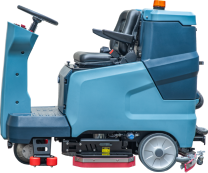
Choosing a floor scrubber becomes much easier when the discussion starts with the cleaning route. A machine that looks powerful on paper may still be awkward in a narrow corridor, while a compact scrubber can be too slow for a large warehouse floor. Facility teams should compare route shape, daily coverage, water access, drying requirements and operator workload before choosing between walk-behind and ride-on equipment.
This route-first approach also helps purchasing teams avoid a common mistake: comparing only product names or machine size. The best floor scrubber is the one that fits the building's real movement pattern and can be maintained consistently by the team using it.
Start With the Map, Not the Model Name
A useful comparison begins with a simple site map. Mark the open areas, narrow paths, ramps, doorways, storage aisles, corners, drains, refill points and zones with pedestrian traffic. Then estimate how often each area is cleaned and how quickly the floor must be dry again.
If the route is short, crowded or broken into many small sections, maneuverability can matter more than maximum productivity. If the route is long, open and repeated every shift, operator comfort and continuous coverage become more important. This is why two facilities with the same floor area can need different scrubber types.
Where Walk-Behind Scrubbers Usually Fit Better
Walk-behind scrubbers are often practical for spaces where the operator must turn frequently, pass through tighter areas or clean around obstacles. Schools, clinics, small warehouses, retail back rooms, hotel service areas and workshop aisles may benefit from a compact machine that can move carefully through mixed traffic.
For teams comparing this type of route, ELEREIN's walk-behind floor scrubber category is a relevant starting point. Buyers should check cleaning width, tank access, squeegee design, brush or pad compatibility, battery routine, storage space and daily maintenance steps before selecting a model.
Where Ride-On Scrubbers Usually Earn Their Space
Ride-on scrubbers make more sense when the route is broad enough to keep the machine moving. Warehouses, factories, parking areas, logistics centers, airports, large supermarkets and exhibition halls often need consistent coverage over longer distances. In these settings, operator fatigue can affect cleaning quality, especially when the same area must be cleaned every day.
Facility teams reviewing larger open areas can compare ELEREIN's ride-on floor scrubber category. The important question is not only whether the machine is bigger, but whether the building can use its coverage advantage without creating turning, storage or safety problems.
Water Recovery and Drying Decide Daily Confidence
Clean floors are not enough if the surface stays wet too long. Drying performance depends on the whole water recovery system: squeegee condition, suction path, recovery tank capacity, operator speed, floor levelness and cleaning chemical use. A floor scrubber that leaves streaks may create extra labor because the team has to revisit the area or place warning signs for longer than expected.
When comparing walk-behind and ride-on machines, buyers should ask how often the recovery tank will need to be emptied, where draining can happen and who will rinse or inspect the tank after use. Larger facilities may need more capacity, but any machine will perform poorly if the recovery system is not maintained.
Operator Workload Is Part of the Equipment Cost
Floor scrubber selection is also a labor decision. A machine that reduces physical strain can improve consistency, but only if operators are trained to use it safely. Tight routes, poor visibility, wet floor signage, shift timing and nearby pedestrian movement all influence whether a ride-on or walk-behind format is easier to manage.
Teams should compare the full workflow: filling, route cleaning, draining, charging, cleaning the squeegee, checking brushes or pads, storing the machine and reporting issues. These steps often decide whether the equipment is used correctly after the purchase.
When a Mixed Equipment Plan Works Better
Some facilities do not need a single-machine answer. A ride-on scrubber can cover the open warehouse floor, while a walk-behind scrubber handles corners, corridors, staff areas and congested zones. This combination can reduce daily labor pressure without forcing one machine to solve every cleaning condition.
For a broader view of machine types and supporting tools, buyers can review the ELEREIN commercial cleaning equipment range. A complete plan may include floor scrubbers, wet and dry vacuums, housekeeping tools and maintenance accessories rather than only one machine category.
A Practical Comparison Checklist
- Measure the actual route, not only total floor area.
- Check door width, turning radius, storage space and elevator access.
- List refill, drain and charging points before comparing machines.
- Define how dry the floor must be after cleaning.
- Estimate daily operator time, fatigue and training needs.
- Confirm brush, pad, squeegee and tank maintenance routines.
- Plan whether one machine is enough or a mixed setup is more realistic.
Conclusion
Walk-behind and ride-on floor scrubbers solve different cleaning problems. A walk-behind scrubber is often stronger for compact, complex routes. A ride-on scrubber is usually stronger for long, open and repetitive routes. The right decision comes from matching the equipment to the building's real cleaning path, drying expectations, operator workload and maintenance routine.


Comments
Post a Comment