What Should a 30-Day Floor Scrubber Pilot Measure Before Fleet Rollout?
Buying several floor scrubbers at once turns a cleaning-equipment choice into an operating-system decision. A sample machine may clean one corridor well during a demonstration, yet still prove difficult to charge, maintain, hand over, or support across multiple shifts. A controlled pilot gives facility and procurement teams a better basis for deciding whether a configuration is ready for fleet rollout.
The framework below uses 30 days as a practical example, not a universal rule. A pilot should be long enough to include representative routes, operators, shifts, maintenance cycles, and operating conditions. The final duration should match the facility, procurement timetable, and applicable safety requirements.
1. Define the rollout decision before the pilot starts
Write down what the team must learn before approving a larger purchase. Typical questions include whether the machine fits the planned routes, produces an acceptable result on the relevant floors, can complete work without avoidable interruptions, and can be maintained by the people who will actually use it.
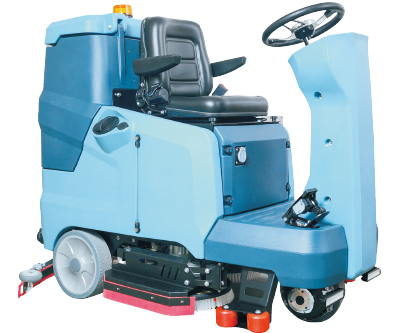
Record the exact model, battery or power configuration, brush or pad setup, squeegee assembly, charger, accessories, and software settings. A result from one configuration should not automatically be applied to another. Teams comparing ride-on options can review the relevant floor scrubber configurations, then request documentation for the exact proposed unit.
2. Select representative zones, shifts, and operators
A pilot conducted only in the easiest zone creates weak evidence. Include the floor finishes, corridor widths, doorways, slopes, lifts, storage points, traffic levels, and contamination types that shape the normal workload. Where the facility operates multiple shifts, include those shifts rather than relying on one experienced operator.
Assign operators who represent the intended user group. Record their training date and prior experience, but do not turn the pilot into a contest between individuals. The purpose is to determine whether the workflow can be repeated consistently with reasonable instruction and supervision.
3. Capture a baseline for each route
Before the machine is introduced, document how each selected route is currently cleaned. Record the approximate area, surface condition, cleaning method, number of passes, setup and disposal points, interruptions, and visible result. Photographs should use consistent viewpoints and lighting where possible.
The baseline does not need to prove that the existing method is poor. It establishes the operating context. Without it, a faster route may simply reflect lighter soil, fewer obstacles, or a different shift rather than a meaningful equipment improvement.
4. Record cleaning results with observable fields
Use a short route sheet for every trial. Useful fields include date, shift, operator, zone, floor condition, pad or brush, solution used, number of passes, visible residue, edge coverage, water recovery, and any rework required. Add photographs or a supervisor sign-off when the result affects acceptance.
Avoid vague ratings such as “excellent” unless the scale is defined. Observable notes such as remaining streaks, water at turns, missed edges, or a second pass in a high-soil zone are easier to compare and investigate.
5. Measure interruptions, not just route time
Total route time is useful only when the causes of interruption are visible. Separate productive cleaning time from filling, draining, charging, moving between zones, adjusting the squeegee, clearing debris, and waiting for access. Record any stop that changes the normal route.
Battery observations should describe the tested conditions rather than promise an absolute runtime. Note the starting and ending indication, route, settings, floor condition, operator, charging window, and any unscheduled stop. Temperature, battery condition, accessory load, and working method can all affect observed performance.
6. Include daily care and planned maintenance
A fleet decision must account for the work after cleaning. Observe tank rinsing, debris removal, brush or pad inspection, squeegee care, charging, cable handling, and storage. Record the time required, access difficulties, unclear steps, and parts that show unusual wear or damage.
Use the supplier's instructions and a documented inspection routine. ELEREIN's published product testing methods provide a useful reference for linking operating conditions, observations, and evidence instead of relying only on catalogue claims.
7. Test handover between shifts
Where more than one shift uses the machine, require a simple handover record. It should show the machine condition, battery or charging status, tanks emptied and rinsed, consumables checked, defects found, actions taken, and whether the unit is ready for the next operator.
A structured multi-shift floor scrubber handover process helps prevent small issues from disappearing between teams. During the pilot, check whether the form is brief enough to complete and specific enough to support maintenance decisions.
8. Verify consumables, spares, and support
List every routine consumable and replacement part identified during the trial, including brushes, pads, squeegee blades, filters where applicable, hoses, batteries, chargers, and wear components. Confirm part numbers, expected availability, storage requirements, and the process for reporting a fault.
Also collect the operator manual, maintenance instructions, warranty scope, and escalation contacts for the proposed market. A machine that performs well during a sample but lacks a workable parts and support path creates avoidable fleet risk.
9. Apply clear safety boundaries
This pilot framework addresses routine commercial floor cleaning only. It does not establish suitability for hazardous dust, combustible material, chemicals, biological contamination, hot material, or regulated waste. Those conditions may require specialized equipment, verified compatibility, site controls, trained personnel, and review under the applicable rules.
Record floor hazards, pedestrian controls, charging arrangements, chemical instructions, personal protective equipment, and incident reporting before work begins. Stop the trial when the proposed equipment or procedure has not been verified for the actual material or environment.
10. Use decision gates instead of one overall score
At the end of the pilot, review evidence by category: cleaning result, route fit, interruptions, operator workflow, maintenance, charging, consumables, safety, documentation, and support. Classify each category as accepted, accepted with a defined action, or not accepted. Attach the records behind each conclusion.
A rollout should pause when a critical question remains unresolved, even if the machine received a strong overall score. The result may also support a limited deployment to certain routes rather than one configuration for every area.
Conclusion
A useful 30-day floor scrubber pilot is a repeatable operating test, not an extended product demonstration. By fixing the proposed configuration, testing representative work, recording interruptions and maintenance, and using explicit decision gates, facility teams can make a fleet decision that is easier to explain and support. The resulting evidence also gives suppliers clearer information when a configuration, accessory, training step, or service plan needs adjustment before rollout.

Comments
Post a Comment